Your Dog bone cancer progression images are ready. Dog bone cancer progression are a topic that is being searched for and liked by netizens today. You can Download the Dog bone cancer progression files here. Download all royalty-free images.
If you’re searching for dog bone cancer progression images information connected with to the dog bone cancer progression interest, you have pay a visit to the ideal site. Our site always gives you hints for refferencing the highest quality video and image content, please kindly hunt and locate more enlightening video content and images that fit your interests.
Dog Bone Cancer Progression. Median survival times for OSA cases with amputation and chemotherapy increase to ten to twelve months. As the condition progresses lameness tends to go from intermittent to constant over the course of 1 to 3 months. What age do dogs get bone cancer. This is probably due to various factors including a higher relative risk in large and giant breed dogs to develop the disease over their lifetime as compared to other dogs and.
 Bone Cancer Osteosarcoma In Dogs Canna Pet From canna-pet.com
The prognosis for pets with bone cancer depends on the severity and progression of the disease as well as the treatment chosen. Osteosarcoma is the most common primary bone tumor of dogs and nearly 10000 dogs are diagnosed with this cancer each year. Eventually the limbs become so weak they will break and injure. The early signs of bone cancer in dogs can difficult for pet parents to recognize since symptoms tend to be subtle. The Final Stages of Osteosarcoma in Dogs The tumor starts forming deep inside the bone and as it grows it moves outward. For the dog owner this means that bone cancer cannot be cured.
The Stages of Dog Cancer Staging of cancer helps your veterinarian identify if the cancer has spread to other locations in the body which can change both the prognosis and appropriate treatment plan.
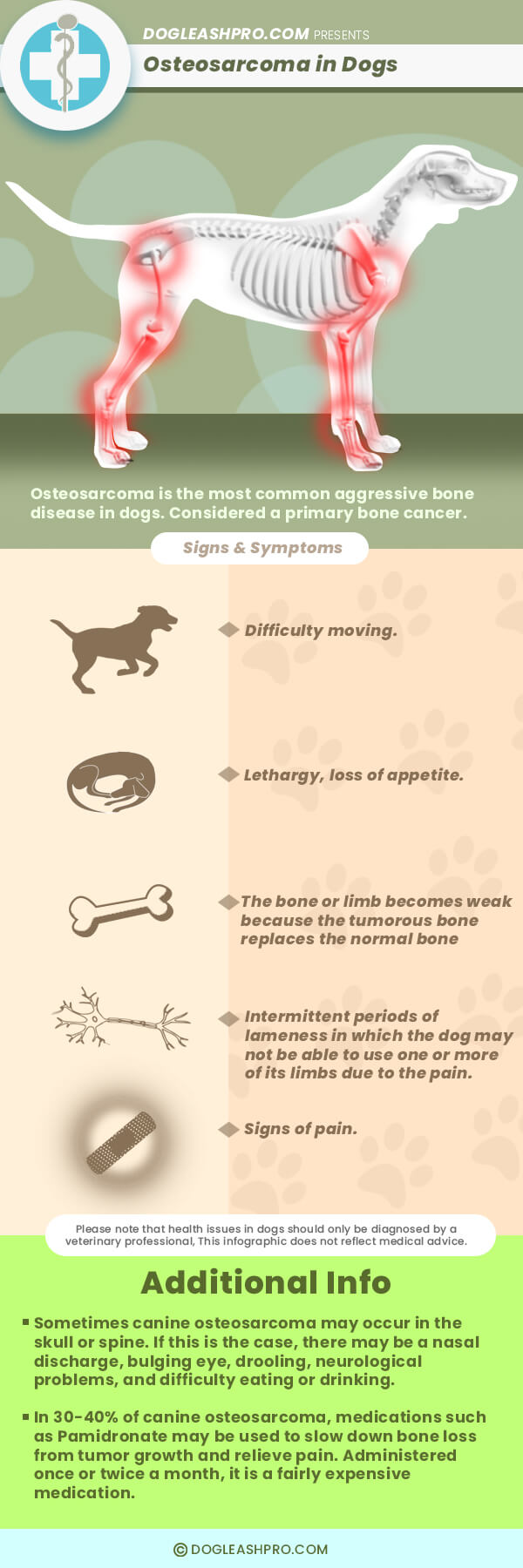
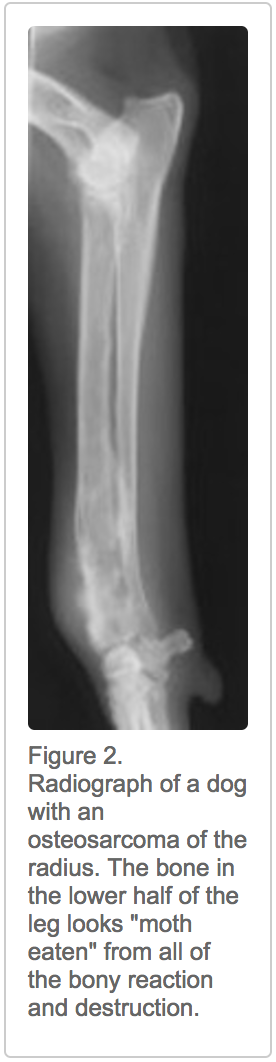
Constant or intermittent inability to use one or more limbs lameness Lethargy Loss of appetite Joint pain. Primary refers to cancer that starts in the bone versus spreading metastasizing into the bone from somewhere else. This could mean your dog is no longer able to walk eat properly use. The Final Stages of Osteosarcoma in Dogs The tumor starts forming deep inside the bone and as it grows it moves outward. Simply explained when the tumor develops its as if the bone is slowly exploding from the inside. Osteosarcoma is a malignant neoplasia or cancer that surface from bone cells.
 Source: dogleashpro.com
The Final Stages of Osteosarcoma in Dogs The tumor starts forming deep inside the bone and as it grows it moves outward. Other types of bone cancer include chondrosarcoma fibrosarcoma and hemangiosarcoma. In dogs bone cancer also can occur as a primary or metastatic disease but in contrast to humans the most common form of bone cancer seen in dogs in the US. Cancer first develops deep within the bone so your pup might not feel any initial pain or discomfort. Here are more details on each part of.
 Source: friendsofthehound.org.au
In dogs bone cancer also can occur as a primary or metastatic disease but in contrast to humans the most common form of bone cancer seen in dogs in the US. It is the most common malignant tumor of the skeletal system. This is probably due to various factors including a higher relative risk in large and giant breed dogs to develop the disease over their lifetime as compared to other dogs and. Osteosarcoma is the most common primary bone tumor of dogs and nearly 10000 dogs are diagnosed with this cancer each year. As the condition progresses lameness tends to go from intermittent to constant over the course of 1 to 3 months.
 Source: dogleashpro.com
If a dog gets both amputation and chemotherapy 20-25 are still alive at two years. The time to euthanize a dog living with Osteosarcoma is when they simply no longer have a good quality of life. Osteosarcoma is a malignant neoplasia or cancer that surface from bone cells. As the condition progresses lameness tends to go from intermittent to constant over the course of 1 to 3 months. Constant or intermittent inability to use one or more limbs lameness Lethargy Loss of appetite Joint pain.
 Source: dogleashpro.com
Primary refers to cancer that starts in the bone versus spreading metastasizing into the bone from somewhere else. Only 2 of dogs with only amputation are still alive at two years. Simply explained when the tumor develops its as if the bone is slowly exploding from the inside. In the end the bone cancer can only be treated. These tumors start growing deep inside bones and grow outward making it hard for pets to walk and get around.
 Source: pinterest.com
Although any dog breed can develop osteosarcoma large and giant breeds are more commonly afflicted. In most primary bone sarcomas there are 5 stages. Updated May 11 2021 Sometimes it starts with a misstep or subtle lameness. If a dog gets both amputation and chemotherapy 20-25 are still alive at two years. Large breeds typically develop tumors on the appendicular skeleton legs while smaller breeds tend to.
 Source: vcacanada.com
The stage provides a common way of describing the cancer so doctors can work together to plan the best treatments. These metastasized cells form tumors that may not respond to treatment or surgery. Simply explained when the tumor develops its as if the bone is slowly exploding from the inside. Sneezing difficulties in breathing nose bleeds or other nasal discharges are common symptoms of bone cancer in dogs when the cancer has occurred in or around the nasal cavity. Osteosarcoma is a malignant neoplasia or cancer that surface from bone cells.
 Source: researchgate.net
Although any dog breed can develop osteosarcoma large and giant breeds are more commonly afflicted. If a dog gets both amputation and chemotherapy 20-25 are still alive at two years. Sneezing difficulties in breathing nose bleeds or other nasal discharges are common symptoms of bone cancer in dogs when the cancer has occurred in or around the nasal cavity. Other types of bone cancer include chondrosarcoma fibrosarcoma and hemangiosarcoma. This is probably due to various factors including a higher relative risk in large and giant breed dogs to develop the disease over their lifetime as compared to other dogs and.
Source: canna-pet.com
Other types of bone cancer include chondrosarcoma fibrosarcoma and hemangiosarcoma. Dogs with limb bone cancer receiving radiation and chemotherapy treatment are known to have a median survival of about one year similar to the survival time for dogs treated with amputation and chemotherapy if it has not yielded the. A variety of staging systems exist depending on the type of cancer so you cant really define each stage in general. Regardless of amputation the median survival duration for a dog that has had OSA chemotherapy is 3-5 months. Only 2 of dogs with only amputation are still alive at two years.
 Source: dogleashpro.com
As cancer progresses and the tumor grows you may notice them displaying the symptoms of osteosarcoma in dogs including. Long favored by our sport climbing ambassadors and found swinging on testpiece routes the world over the Black Diamond Dogbone is our pro-grade dogbone that features a burly variwidth polyester construction and. As cancer progresses and the tumor grows you may notice them displaying the symptoms of osteosarcoma in dogs including. This is probably due to various factors including a higher relative risk in large and giant breed dogs to develop the disease over their lifetime as compared to other dogs and. Stage 0 zero and stages I through IV 1 through 4.
 Source: onlinelibrary.wiley.com
In other words amputation does not seem to halt or reduce the tumors progression. Only 2 of dogs with only amputation are still alive at two years. Or a dramatic sudden fracture. The stage provides a common way of describing the cancer so doctors can work together to plan the best treatments. The Final Stages of Osteosarcoma in Dogs The tumor starts forming deep inside the bone and as it grows it moves outward.
 Source: frontiersin.org
If a dog gets both amputation and chemotherapy 20-25 are still alive at two years. So the owner has to weigh up very carefully if an amputation makes sense depending on the age of the dog already existing other diseases etc. Or a small lump on the leg that becomes tender to the touch. What age do dogs get bone cancer. Dogs with Stage V lymphoma have systemic involvement of blood central nervous system and bone marrow.
 Source: canna-pet.com
Cases of bone cancer tend to occur in puppies around 1-2 years old when there can be a significant growth spurt and in adult dogs who are 7 years old or more. About Dog Bone Cancer. Dogs with limb bone cancer receiving radiation and chemotherapy treatment are known to have a median survival of about one year similar to the survival time for dogs treated with amputation and chemotherapy if it has not yielded the. In the end the bone cancer can only be treated. Dogs with Stage V lymphoma have systemic involvement of blood central nervous system and bone marrow.
 Source: canna-pet.com
These tumors start growing deep inside bones and grow outward making it hard for pets to walk and get around. Or a dramatic sudden fracture. In dogs bone cancer also can occur as a primary or metastatic disease but in contrast to humans the most common form of bone cancer seen in dogs in the US. Or a small lump on the leg that becomes tender to the touch. Primary refers to cancer that starts in the bone versus spreading metastasizing into the bone from somewhere else.
 Source: canna-pet.com
Although any dog breed can develop osteosarcoma large and giant breeds are more commonly afflicted. That said your dogs jaw facial bones vertebrae ribs and rear legs could also be affected by osteosarcoma. A variety of staging systems exist depending on the type of cancer so you cant really define each stage in general. This is probably due to various factors including a higher relative risk in large and giant breed dogs to develop the disease over their lifetime as compared to other dogs and. Osteosarcoma is a malignant neoplasia or cancer that surface from bone cells.
 Source: petcureoncology.com
Osteosarcoma is a malignant neoplasia or cancer that surface from bone cells. The prognosis for pets with bone cancer depends on the severity and progression of the disease as well as the treatment chosen. How do I know if my dog with cancer is in pain. Primary refers to cancer that starts in the bone versus spreading metastasizing into the bone from somewhere else. Dogs with limb bone cancer receiving radiation and chemotherapy treatment are known to have a median survival of about one year similar to the survival time for dogs treated with amputation and chemotherapy if it has not yielded the.
 Source: pinterest.com
Although any dog breed can develop osteosarcoma large and giant breeds are more commonly afflicted. Cancer first develops deep within the bone so your pup might not feel any initial pain or discomfort. Stage IV cancer is marked by a large number of abnormal cells that have progressed beyond the area of origin such as breast cancer entering the bones or lungs. As the condition progresses lameness tends to go from intermittent to constant over the course of 1 to 3 months. The prognosis for pets with bone cancer depends on the severity and progression of the disease as well as the treatment chosen.
 Source: pinterest.com
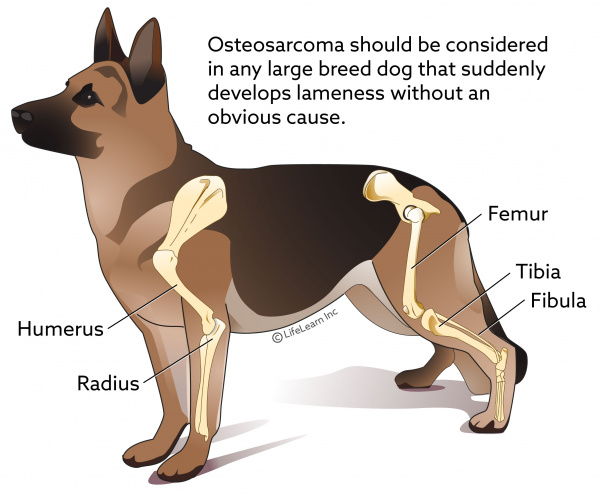
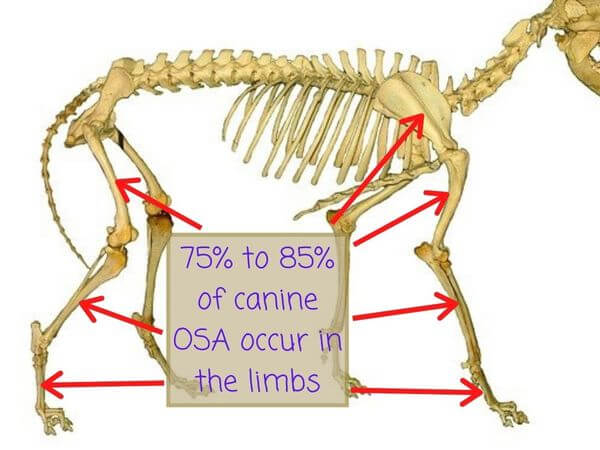
Stage IV cancer is marked by a large number of abnormal cells that have progressed beyond the area of origin such as breast cancer entering the bones or lungs. Signs of Bone Cancer in Dogs Osteosarcoma will often appear in the dogs front limbs near the shoulder wrist and knee. These metastasized cells form tumors that may not respond to treatment or surgery. As the condition progresses lameness tends to go from intermittent to constant over the course of 1 to 3 months. Dogs with limb bone cancer receiving radiation and chemotherapy treatment are known to have a median survival of about one year similar to the survival time for dogs treated with amputation and chemotherapy if it has not yielded the.
 Source: mdpi.com
The Final Stages of Osteosarcoma in Dogs The tumor starts forming deep inside the bone and as it grows it moves outward. Although any dog breed can develop osteosarcoma large and giant breeds are more commonly afflicted. It is often used as palliative therapy meaning it temporarily relieves pain and gives you some time to enjoy the company of your canine companion. How do I know if my dog with cancer is in pain. What age do dogs get bone cancer.
This site is an open community for users to do sharing their favorite wallpapers on the internet, all images or pictures in this website are for personal wallpaper use only, it is stricly prohibited to use this wallpaper for commercial purposes, if you are the author and find this image is shared without your permission, please kindly raise a DMCA report to Us.
If you find this site helpful, please support us by sharing this posts to your own social media accounts like Facebook, Instagram and so on or you can also save this blog page with the title dog bone cancer progression by using Ctrl + D for devices a laptop with a Windows operating system or Command + D for laptops with an Apple operating system. If you use a smartphone, you can also use the drawer menu of the browser you are using. Whether it’s a Windows, Mac, iOS or Android operating system, you will still be able to bookmark this website.